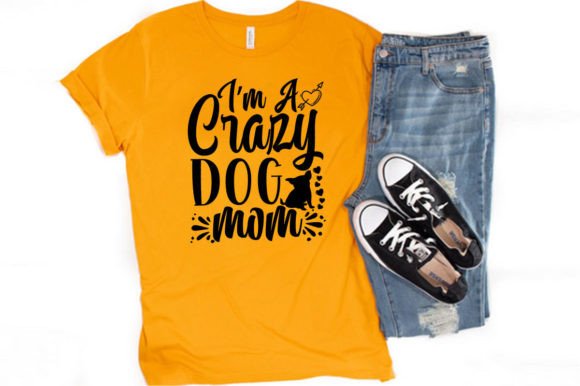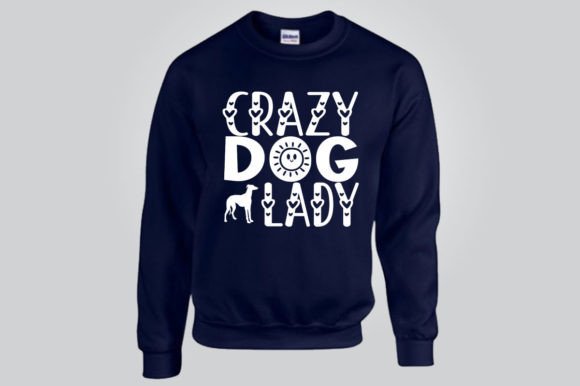
CRAZY DOG LADY, SVG, in Graphics & T-Shirt Designs
When I first opened the CRAZY DOG LADY, SVG, file, I knew exactly the kind of brand energy it would bring to a campaign. It is unapologetically playful, warm, and a little bit loud in the best possible way. As a brand designer who has reviewed hundreds of graphic design assets for real commercial projects, I pay attention to how a design lands emotionally before I even think about placement. This one lands with a smile. It taps into a cultural moment where pet ownership and personal identity overlap, and it does so with a casual confidence that feels more like a lifestyle statement than a decorative afterthought.
The mood is cheerful without being childish. That distinction matters. A lot of brands in the pet space accidentally drift into cartoon territory or overly sentimental visuals that limit their audience reach. The CRAZY DOG LADY, SVG, walks a smarter line. It carries enough personality to anchor a t-shirt design at a weekend market, yet it holds enough graphic clarity to sit inside a branded content kit, a promotional banner, or even a product label without looking out of place. The emotional tone is self-aware humor mixed with genuine affection. That combination attracts attention, builds relatability, and creates a stronger first impression across digital ads, social media graphics, and physical merchandise.
First Impressions and Emotional Tone in a Real Campaign Context
I recently advised a small lifestyle brand that wanted to refresh its spring product visuals. The brand sells handmade dog accessories and had been relying on generic photography and plain text overlays for its Instagram posts and Pinterest pins. The moment I placed the CRAZY DOG LADY, SVG, into a mockup for their new tote bag line, the entire visual story shifted. Suddenly, the brand had a voice. The design acted as a personality anchor, giving the audience something to connect with beyond the product itself. That is what a strong graphic design asset does. It builds recognition, invites engagement, and makes the brand feel intentionally put together rather than visually scattered.
From a content marketing perspective, this asset supports a campaign tone that is friendly, community-driven, and slightly irreverent. It works beautifully for brands that want to attract dog lovers who identify with the lifestyle, not just the product. The emotional pull is immediate. When a potential customer sees this design on a t-shirt, a mug, or a social media cover, they are not just reading words. They are recognizing a shared identity. That is marketing gold, provided the brand has the visual consistency to back it up.
How the Asset Performs Across Marketing and Branding Channels
I tested the CRAZY DOG LADY, SVG, across several real-world marketing scenarios to understand its range. In social media graphics, it shines as a hero element on Instagram posts and Facebook ads where the goal is to stop the scroll. The typography and graphic styling carry enough weight to lead a visual without needing heavy support from additional elements. In Pinterest pins, where clean composition and readable text drive saves and clicks, the design held its own when placed inside a branded template with soft neutral backgrounds. It also performed well in email banners, especially for promotional campaigns announcing new product drops or seasonal offers.
For merchandise, the application is obvious and effective. You can easily print this design on t-shirts, hoodies, sweatshirts, logo sleeve tees, tank tops, mugs, wall art, drinkware, pillows, blankets, stickers, and bags. Each surface gives the design a slightly different personality, but the core message remains intact. On a tote bag, it feels like a walking conversation starter. On a mug, it becomes a small daily dose of humor. On a wall art print, it adds quirky warmth to a home office or pet corner. The versatility across printable and physical products makes this a high-value addition to any creative design bundle or commercial design library.
I also explored how the asset supports brand identity and packaging design. A small business selling organic dog treats could use the CRAZY DOG LADY, SVG, as a decorative accent on product labels or packaging inserts. It would not replace the primary logo, but it would reinforce the brand personality in a way that feels curated rather than cluttered. The same principle applies to editorial design and digital product visuals. Inside a lead magnet, a media kit, or a Canva template, the design adds texture and tone without dominating the functional message. That balance between personality and restraint is what separates a smart design asset from a distracting one.
Marketing Goals the Asset Helps Achieve
Every visual choice in a campaign should trace back to a marketing goal. The CRAZY DOG LADY, SVG, supports several goals simultaneously. It creates a stronger first impression because the design is confident and clear, not tentative or overly busy. It improves visual hierarchy when used as a focal point, allowing the surrounding content to breathe. It builds audience trust through consistency. When a brand uses the same recognizable graphic across multiple touchpoints, from t-shirt designs to social media covers to packaging accents, the repetition signals professionalism and intentionality.
It also fosters emotional connection. Dog lovers are a passionate audience. A design that speaks directly to their identity can generate stronger engagement, more shares, and higher conversion on branded merchandise. The asset supports better product presentation when placed inside mockups that show real-world context. Instead of presenting a blank t-shirt, a brand can show a finished design that already tells a story. That story drives purchase decisions faster than any feature list.
For content creators and social media managers, this asset reduces the time spent sourcing visuals that feel on-brand. It can plug directly into a content calendar as a recurring visual theme. For digital sellers and printable product creators, it becomes a market-ready graphic that fits current trends without needing heavy customization. The commercial license flexibility allows for use across client work, paid campaigns, and business branding, provided the terms are reviewed beforehand.
Where the Design Works Best in Campaign Execution
I have identified several high-impact placements where the CRAZY DOG LADY, SVG, adds the most value. It excels as a hero graphic on campaign landing pages, especially for limited-edition product launches or seasonal collections. It works beautifully as a branded template element inside Canva templates or social media templates that small business owners can reuse across their marketing. It also performs well as a packaging accent on tissue paper, sticker seals, or thank-you cards included with shipped orders. These small touchpoints often get overlooked, but they are powerful brand reinforcement tools.
In promotional banners and event flyers, the design brings energy without overwhelming the key details like dates, locations, or discount codes. In editorial layouts, such as blog graphics or digital magazine spreads, it can serve as a section divider or a playful pull-quote decoration. The key is to let the design occupy a clear role in the composition. When the asset is given a defined purpose, the overall visual feels cohesive. When it is dropped in without context, the result can feel random. That is not a flaw of the design. It is a reminder to always place creative assets with intention.
Where Caution Is Needed for Professional Branding
No single graphic design asset suits every brand. The CRAZY DOG LADY, SVG, is not a fit for formal corporate branding or industries where a serious, understated tone is required. A law firm, a financial consultancy, or a medical practice would likely find the design undermines their authority. It also requires careful handling in dense information layouts where multiple text elements compete for attention. If placed inside a text-heavy ad or a cluttered mobile screen, the design could add visual noise instead of clarity.
On low-contrast backgrounds, the finer details of the SVG may lose readability. I always recommend testing the design on both light and dark surfaces before finalizing a campaign. In small mobile graphics, such as thumbnail images or favicon-sized placements, the text and shapes may become illegible. For overly minimal brands that rely on white space and restrained typography, this asset might feel too expressive unless used sparingly as a seasonal or campaign-specific accent. The goal is not to avoid using the design but to understand its boundaries so it can be used well.
Practical Brand Designer Notes Before Campaign Integration
Before committing the CRAZY DOG LADY, SVG, to a paid campaign or client project, I run through a standard checklist. First, I test the design against the brand color palette. Even a well-designed SVG can clash if the tones do not align. I also check how the design reads in black and white. Some visuals lose their impact without color, and knowing that in advance helps plan for print scenarios where color is limited. I place the asset inside real campaign mockups, not just on a blank canvas. Seeing it on a t-shirt, a mug, or a phone screen reveals scaling and spacing issues that are easy to miss in isolation.
I preview the design on mobile screens at actual display sizes. What looks balanced on a desktop monitor can feel heavy or cramped on a smartphone. I test readability in small sizes, particularly for sticker applications or social media icon placements. I compare the visual against competitor visuals to ensure the brand stands out rather than blends into a sea of similar styles. I also pair the design with different font families. Next to a serif font, the SVG takes on a slightly more editorial quality. With a sans serif font, it feels modern and clean. A script font adds warmth and handmade charm, while a handwritten font pushes the casual, personal tone even further. A display font pairing can make the design feel bolder and more campaign-focused. Each combination shifts the perception slightly, so I test multiple options before locking in the final layout.
I review spacing and balance carefully. The design should have enough room to breathe, especially when used alongside other graphic elements or text blocks. Finally, I confirm the commercial licensing terms. Using an asset in client work, business branding, or paid campaigns without verifying the license can create unnecessary risk. Once those checks are complete, the design is ready to work across digital ads, content marketing materials, product labels, and branded templates.
Why the Asset Deserves a Place in a Creative Toolkit
After evaluating the CRAZY DOG LADY, SVG, through the lens of real campaign execution, I can say it offers more than decorative value. It brings personality, flexibility, and a clear emotional hook that many brands struggle to achieve with text alone. For small business owners launching a new product line, content creators building a visual identity, social media managers refreshing an engagement strategy, or digital product creators expanding a design bundle, this asset fills a genuine need. It connects with an audience that already exists and is eager to see their identity reflected in the brands they support.
The design is not trying to be everything to everyone, and that focus is its strength. It knows its audience, it communicates with clarity, and it adapts across print and digital formats without losing its core personality. In a creative marketplace crowded with generic clipart and forgettable illustrations, that kind of targeted appeal is worth paying attention to. Whether it lands on a t-shirt, a Pinterest pin, a packaging insert, or a branded media kit, the CRAZY DOG LADY, SVG, does exactly what a professional graphic design asset should do. It makes the brand memorable, the campaign cohesive, and the message unmistakably clear.