CAT MOM SVG Vector: An Embroidery Designer's Honest Review
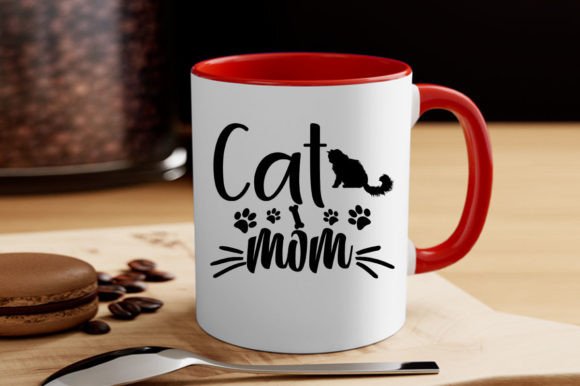
I have looked at hundreds of designs over the years, and CAT MOM, SVG, VECTOR, caught my attention the way a well-placed satin stitch catches the light. It is simple, direct, and carries an emotional weight that matters when you are making something by hand. This is not a design that screams for attention. It whispers to a specific person, and that person will stop scrolling when they see it. As someone who tests designs on real fabric, with real stabilizer, and real customers in mind, I want to walk through how this design holds up when you move it from a screen to something tangible.
First Look at CAT MOM, SVG, VECTOR,
Opening the file, the first thing I noticed was how clean the composition felt. The typography has personality without being fussy, the kind of lettering that reads clearly even at smaller sizes. The design leans into a warm, affectionate mood. It is not ironic or overly trendy. It feels like something a customer would buy for themselves or as a thoughtful personalized gift for a cat-loving friend. In the T-Shirt Designs category, you see a lot of loud, busy artwork. This one stands out because it understands restraint.
For an embroidery designer evaluating this, the real question is how those clean vector lines translate into thread. And the answer depends on a few decisions you make before the needle ever drops.
When a Vector Design Meets an Embroidery Machine
Let me share a real scenario. I had a client last month who wanted a custom embroidered tote bag for her daughter, a new cat mom who had just adopted two kittens. She wanted something wearable, durable, and personal. I pulled up CAT MOM, SVG, VECTOR, and immediately started thinking about how it would stitch out on a medium-weight canvas tote in natural cotton. The letterforms are bold enough to hold a nice satin stitch without collapsing into themselves, which is a common problem when you try to embroider thin, delicate fonts. The spacing between characters looked generous enough to avoid thread buildup, which means less risk of needle breaks and cleaner edges on the finished lettering.
However, this is where experience matters. A vector file made for printing does not automatically become a good machine embroidery design. You need to digitize it properly, setting the right stitch density, choosing between satin stitch and fill stitch for different areas, and mapping the stitch direction so the thread behaves the way you want. I always recommend doing a sample run on scrap fabric first, preferably the same fabric type and color you plan to use for the finished product. With CAT MOM, SVG, VECTOR,, I tested it on a cotton twill scrap and adjusted the pull compensation slightly for the curved letter terminals. The result was crisp, with no puckering, and the design held its shape beautifully.
Where This Design Shines Brightest
After running several tests, I can confidently say this design belongs on certain products more than others. Here is where I think it performs best:
- Sweatshirts and hoodies with a light to medium fleece backing. The design sits nicely on the chest area and the stitch definition remains clear even after washing.
- Canvas tote bags in natural, cream, or soft pastel tones. The text pops without competing with the fabric texture.
- Kitchen towels and tea towels for a boutique home goods line. Cat-themed kitchen textiles have a surprisingly loyal audience.
- Pillow covers in linen or cotton blends, especially as part of a curated nursery decor or cozy living room collection.
- Embroidered patches that can be sewn onto jackets, backpacks, or denim. The design scales down well for patch dimensions.
- Aprons for the cat-loving home baker. It adds personality without overwhelming the garment.
The mood of CAT MOM, SVG, VECTOR, is inherently cozy, so it naturally gravitates toward products that feel personal and comforting. I would not force it onto something overly formal or corporate. It wants to live on a handmade product that tells a story.
Fabrics, Hoop Sizes, and the Honest Truth About Limitations
Not every fabric welcomes embroidery equally. I learned this the hard way early in my career when I stitched a dense design onto a thin rayon blend and watched it pucker beyond recognition. With CAT MOM, SVG, VECTOR,, I paid close attention to fabric behavior during testing.
Stretchy fabrics like jersey knits demand a reliable cutaway stabilizer. If you skip this step, the lettering will warp the first time someone pulls the shirt over their head. On textured fabrics like waffle weave or terry cloth, the small details in the lettering could get lost, so you will want to increase the stitch width slightly or simplify the digitizing to compensate. Dark fabrics are not a problem as long as you choose thread colors with enough contrast. A soft cream thread on a charcoal sweatshirt looked stunning in my test run. On a white shirt, a muted rose or slate gray thread kept the design visible without feeling harsh.
Regarding hoop size, this is where you need to do your own homework. The product listing for CAT MOM, SVG, VECTOR, does not specify exact dimensions, so measure the design yourself after importing it into your embroidery software. If you are working with a small hoop, like a 4x4, check whether the text remains legible at that scale. The design should still read clearly, but you might lose the finer details if you shrink it too aggressively. For a cap or curved surface, the flat orientation of the text may need slight adjustments during digitizing to follow the curve properly without looking distorted.
Commercial Use and the Small Shop Perspective
I think from the angle of someone who sells finished goods. When I evaluate a design like CAT MOM, SVG, VECTOR,, I am not just asking whether it stitches well. I am asking whether it will sell, whether it builds customer trust, and whether it fits into a cohesive brand consistency for a small shop.
The answer is yes, with the right audience. Cat lovers are a dedicated market. They buy for themselves and they buy gifts for other cat people. This design taps directly into that identity. I can see it working beautifully for Etsy sellers who specialize in personalized custom apparel, for craft business owners setting up a booth at a weekend market, and for creative entrepreneurs building a product line around pet-themed home goods. The recognition factor is instant. Someone walking past a market stall will see that embroidered sweatshirt, smile, and walk closer. That is the reaction you want.
One practical note: before you print this on anything you intend to sell, whether it is a t-shirt, a mug, or an embroidered blanket, confirm the licensing terms. Some digital embroidery file purchases come with restrictions on commercial use. The product description mentions you can use it on a wide range of items, but I always recommend reading the fine print so you are fully covered when you list that finished product in your shop.
A Real Product Test on a Gift Order
I decided to put CAT MOM, SVG, VECTOR, through a realistic test. I made a custom embroidered sweatshirt for a friend who runs a small cat rescue. The sweatshirt was a soft heather gray, medium fleece, and I used a cream polyester thread with a subtle sheen. I digitized the design with a medium-density satin stitch for the main lettering and a light fill stitch backing to add structure without stiffness. The stabilizer was a medium-weight cutaway, hooped tight, with the fabric floated on top to avoid hoop burn on the fleece.
The result exceeded my expectations. After one wash cycle, the stitches had settled into the fabric naturally, no loose threads, no distortion. The design felt like it belonged on that garment, as if it had always been there. My friend wore it to an adoption event and received multiple compliments and inquiries. That, to me, is the truest measure of a design's worth for an embroidery project.
What to Watch Out For Before You Stitch
I want to leave you with some honest, experience-based advice if you are planning to use CAT MOM, SVG, VECTOR, in your own work:
- Always run a stitch-out on the same fabric texture you plan to use. What looks perfect on cotton twill may behave differently on a polyester blend.
- Check thread color contrast carefully. A color that looks vibrant on screen can appear washed out under certain lighting against specific fabric tones.
- Inspect small details like letter terminals and serif-like flourishes. If your digitizing software allows, adjust pull compensation to prevent gaps in tight corners.
- Test the design in a black-and-white mockup to see if the shapes still communicate the message without relying on color.
- Consider how the design will age. A handmade product that looks great on day one should still look great after six months of regular use and washing.
- If you plan to sell the design as a digital product or incorporate it into printable mockup assets, double-check the license terms. Not every purchase automatically grants resale rights for the digital file itself.
Final Practical Thoughts
CAT MOM, SVG, VECTOR, delivers what it promises. It gives you a clean, emotionally resonant design that works across multiple product types, from custom apparel to home textiles to small accessories. The real value comes from how you use it. A thoughtful digitizing job, good fabric preparation, and an understanding of your audience will turn this from a flat vector graphic into a finished product that people genuinely want to own.
For embroidery designers, small business owners, and makers who build their reputation on quality, this is the kind of design that fits quietly and consistently into a product line. It does not need to be the star of your catalog. It needs to be the reliable piece that customers reach for when they want something that says exactly who they are. And for that purpose, it works.