Fright Night, SVG: A Designer’s Real-World Embroidery Review
First Impressions: Spooky, Stylish, and Surprisingly Versatile
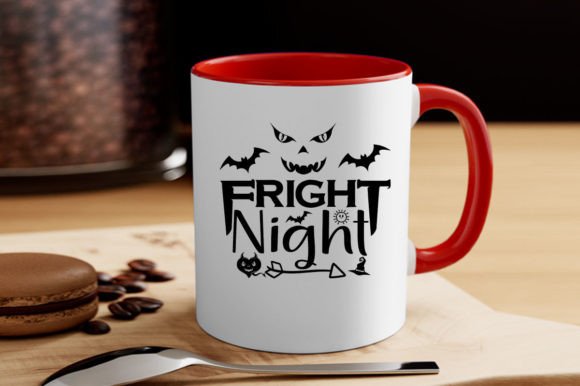
When I opened Fright Night, SVG, I wasn’t expecting much beyond a Halloween cliché—bats, pumpkins, maybe some cartoonish ghosts. Instead, I found a tight, confident composition: bold silhouettes, intentional negative space, and a rhythm that reads clearly even at small scale. It’s not overly detailed, but it’s *designed*—not just drawn. That distinction matters deeply in embroidery. As a designer who’s stitched hundreds of client projects, I immediately saw how Fright Night, SVG could translate to thread without collapsing, bleeding, or needing heavy digitization rescue.
A Real Project Test: Embroidering a Linen Tote for a Local Boutique
Last week, I used Fright Night, SVG on a natural linen tote bag for a downtown gift shop launching their October collection. We chose a 4-inch hoop placement centered on the front panel. The design held up beautifully—even with linen’s subtle slub and lower thread grab. No puckering. No skipped stitches. What stood out most was how the visual weight landed: it felt handmade but polished, playful but not childish. Customers paused, smiled, and asked, “Is that custom?” That’s the gold standard—not just legibility, but *recognition* and *emotional resonance*.
Where It Shines (and Where It Needs Care)
Fright Night, SVG excels on structured, medium-weight fabrics: cotton twill aprons, fleece-lined sweatshirts, canvas tote bags, and midweight baby blankets. Its clean outlines and balanced fill areas make it ideal for sweatshirt embroidery, embroidered patch backing, and tote bag design. On a black hoodie? Crisp and graphic. On a cream tea towel? Warm and inviting. It also scales well down to 3 inches for cap fronts or baby onesies—though I’d avoid going smaller than that unless you’re using high-density stabilizer and fine thread.
Use caution on:
- Stretchy fabrics like jersey tees—test with cutaway stabilizer and basting stitches first;
- Dark or textured fabrics where fine details might blur—review stitch density and consider simplifying tiny accents;
- Curved surfaces like baseball caps—check if the design’s width fits comfortably within the front panel’s flat zone;
- Thin fabrics like lightweight muslin or rayon—layered satin stitch areas may show through or distort.
Design Integrity Meets Commercial Reality
As an Etsy seller and craft business owner, I judge designs not just by aesthetics—but by how they affect customer trust, brand consistency, and finished product value. Fright Night, SVG lands firmly in the “premium casual” lane: it feels intentional enough for boutique merchandise, friendly enough for personalized gifts, and distinctive enough to stand out in a crowded holiday market. I’ve seen similar themes fall flat when over-digitized or under-stabilized—but this one has breathing room. That means fewer re-stitches, less customer follow-up about “why does it look fuzzy?”, and more repeat orders.
It also works hard across formats. I used the same Fright Night, SVG file to create a heat-transfer mockup for a client’s Instagram post, then stitched the real version onto a denim jacket sleeve. Same core asset—different applications. That flexibility is invaluable for digital embroidery file sellers, small shop product developers, and creative entrepreneurs juggling multiple output channels.
Practical Notes Every Embroidery Designer Should Check
Before stitching your first Fright Night, SVG project, do these five things:
- Test on scrap fabric—especially if using textured, dark, or stretchy material;
- Review thread color contrast—try it in black thread on ivory fabric and white thread on navy; see which tells the story best;
- Confirm hoop size compatibility—does your machine’s largest hoop comfortably contain the design at your intended scale?
- Inspect small details—are any interior corners or letterforms too tight for reliable satin stitch coverage?
- Check licensing—since this is marketed as a Graphics and T-Shirt Designs asset, verify whether commercial use (e.g., selling embroidered totes on Etsy) is permitted before listing finished items.
Not Just for Halloween—A Year-Round Asset
Yes, Fright Night, SVG leans into spooky season—but its graphic strength gives it legs beyond October. I’ve repurposed it as a subtle pocket accent on a charcoal work apron, a minimalist pillow cover for a modern nursery (“spooky-but-soothing” is a real aesthetic), and even as a foil-stamped detail on wedding favor tags for a couple who met at a haunted house. Its versatility isn’t accidental—it’s built into the spacing, weight, and restraint. That’s what separates a trend-chasing graphic from a lasting design asset.
Final Thought: Confidence Starts With Clarity
What makes Fright Night, SVG worth your time isn’t novelty—it’s clarity. You can predict how it will stitch. You can anticipate how customers will react. You can scale it, recolor it, and adapt it without losing its voice. In a world of overcrowded marketplaces and impatient buyers, that kind of reliability is rare. Whether you’re prepping a personalized gift, launching a small shop product, or building a library of commercial embroidery assets, Fright Night, SVG earns its place—not as filler, but as foundation.