CRAZY CAT LADY, SVG, VECTOR, for Embroidery Projects
When I first opened the CRAZY CAT LADY, SVG, VECTOR, file, my designer instincts kicked in immediately. This is not a quiet, subtle graphic. It radiates a confident, slightly mischievous personality that will either delight the right customer or completely miss its mark on the wrong product. That’s exactly the kind of balanced risk I look for in a machine embroidery design—something with enough personality to command attention on a craft fair table, but not so niche that it can’t find a broad audience among pet lovers, funny gift seekers, and handmade shop regulars.
First Impressions: The Visual Punch of a Playful Design
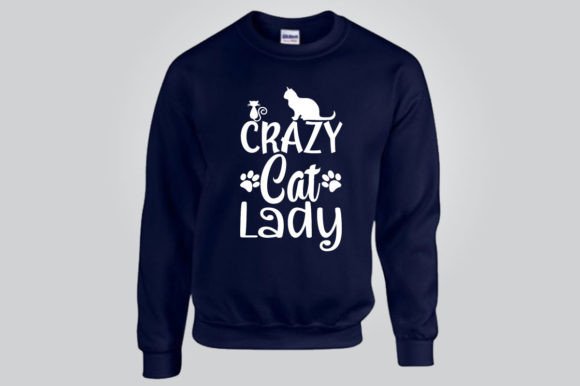
The mood here is unapologetically fun. The layout likely combines bold typography with whimsical feline motifs—maybe paw prints, cat silhouettes, or playful curled tails. As an embroidery design, that mix of text and decorative elements gives the digitizing process plenty of texture to work with. I can already see where satin stitch lettering would add a crisp, premium finish to the words, while fill stitch could bring the cats to life with just enough density to feel substantial. Even without stitching it out yet, the design suggests movement and humor, two things that translate beautifully onto garments people actually want to wear or gift.
Translating Vector Graphics to Stitches
Since this is an SVG vector file, my first step is never to assume it’s ready for embroidery. It’s a graphic, not a pre-digitized embroidery file. That means the real value lies in how cleanly the shapes can be converted into running, satin, and fill stitches. I’d pull it into my digitizing software and immediately inspect small details—whiskers, tiny letter counters, overlapping layers. In many CRAZY CAT LADY designs, the text carries the punchline, so legibility after stitching is everything. If the font has serifs or thin strokes, I’d test a couple of stitch angles to avoid distortion on textured fabric. The cats themselves might benefit from a subtle column stitch direction that mimics fur flow, something that separates a generic patch from a product that feels professionally designed.
The Perfect Product Match: Where This Design Shines
Not every embroidery design plays nicely across all blank goods. This one, with its cheeky message, belongs on items that feel personal and slightly conversational. I’d use it first on:
- Canvas tote bags for a boutique pet store collection
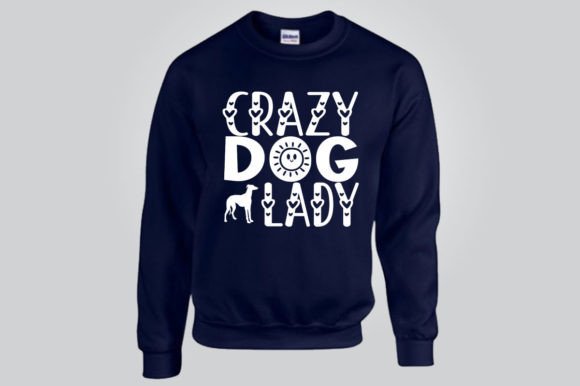
- Pullover sweatshirts that lean into cozy, cat-lady comfort
- Kitchen towels as part of a whimsical hostess gift set
- Embroidered patches that cat rescue volunteers would snap up instantly
- Pillow covers for living rooms where a hint of humor works
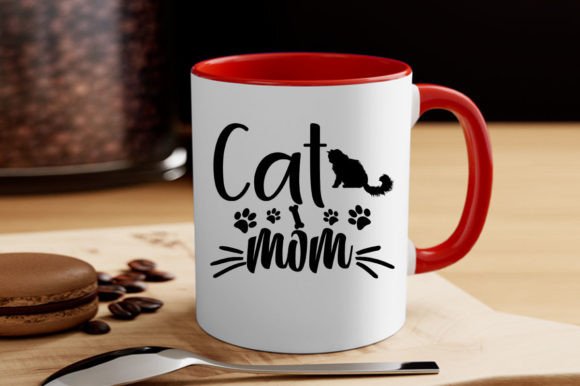
Because the design already carries strong “giftable” energy, it also makes sense on mugs, blankets, and stickers for the printable crowd—as the original product description suggests—but under the needle, fabric items are where it really builds handmade shop brand consistency.
A Real Project in Mind: A Custom Embroidered Tote Bag
Let me walk you through the exact project I’d tackle this weekend. A regular client asked for a personalized gift for her sister, a self-proclaimed crazy cat lady who often brings homemade treats to cat adoption events. I’m planning a mid-weight natural canvas tote, hooped with a cut-away stabilizer to handle the design’s stitch count without buckling. Thread choice will be critical: a deep charcoal base lettering with soft ginger or calico accent colors for the cat figures. I can almost see how the satin stitch outlines will frame the lettering, while a lighter fill stitch inside the cats will keep the tote flexible enough for daily use. Once stitched out, the tote won’t just look decorated—it will feel intentional, like a small piece of wearable (or carry-able) art that starts conversations at the farmer’s market.
Navigating Tricky Surfaces and Small Hoop Challenges
Any experienced embroidery designer knows that a good SVG doesn’t automatically guarantee a good stitch-out on every surface. With this CRAZY CAT LADY design, I’d steer clear of extremely small hoop sizes if the lettering is intricate; below about 4x4 inches, many funny phrases turn into unreadable smudges. The same caution applies to unstructured caps—curved surfaces distort horizontal text placement, and I’d rather choose a flat patch application or reposition the design onto a beanie or visor. Thin, slinky jersey fabrics also demand extra care. If I ever applied this onto a lightweight T-shirt, I’d use a heavy water-soluble topper to keep the stitches from sinking into the knit. Textured fabrics like terrycloth would obscure fine details, so I’d enlarge the design slightly or stick to smooth linen and canvas blends.
Color and Contrast: Making It Pop on Different Fabrics
Dark fabric is my first instinct for this design—a charcoal sweatshirt or black tote instantly elevates the humor and makes lighter thread colors glow. But I’ve learned to test every purchase in a black-and-white mockup first. If the cat outlines rely on dark fills, they might vanish on a midnight blue background. Reverse appliqué, or adding a thin contrasting outline behind the main design, can rescue that. On light fabrics like natural cotton or pastel kitchen towels, I’d choose bold, high-contrast thread—think espresso brown, plum, or a multi-color variegated thread that adds texture. The design’s success on any item comes down to whether a customer glances at it and reads the message in under a second. Poor contrast kills that moment.
The Customer Reaction: Giftability and Brand Value
When a customer picks up a finished embroidered piece featuring this design, their reaction usually starts with a laugh and then a “I know exactly who needs this.” That instant recognition is gold for small shop owners. It turns a simple tote into a personalized gift, and a sweatshirt into a repeat-purchase item for anyone with a cat-loving friend group. From a branding perspective, adding the CRAZY CAT LADY, SVG, VECTOR, to a product lineup signals that your shop has a playful edge without being generic. It can tie together an entire collection—think matching mug and tea towel sets, or a hoodie that coordinates with a cat-themed baby onesie for the ultimate “cat-approved” gift basket.
Designer’s Notes: Testing, Licensing, and Best Practices
Before a single stitch hits the next customer order, I’ll run this design through my usual checklist. First, I stitch it out on a scrap piece of the same fabric-stabilizer combination I plan to use. I watch how the lettering closes up, whether any small inner shapes disappear, and if the thread tension needs adjusting. I also test wash and dry cycles on a finished sample to see if the satin stitch edges fray or the design puckers over time—nothing erodes customer trust faster than a gift that looks tired after three washes.
Licensing is separate, and equally important. Many SVG files intended for printing come with a standard personal use license. If I’m selling embroidered tote bags, patches, or sweatshirts on Etsy or at a craft fair, I need to confirm the file’s commercial terms explicitly allow physical finished products for resale. I never assume. When in doubt, I reach out to the designer. This small step protects my business and respects the original artist.
For embroidery-specific success, the design’s stitch density will depend entirely on the digitizer’s choices. I keep the fill stitch open enough to let the fabric breathe, especially on garments, but dense enough that the text doesn’t look sparse. Running stitch highlights around the edge of the kitties can sharpen their silhouette without adding bulk. If the design includes small decorative dots or pawprints, I might convert those to a simple satin stitch dot rather than a complex fill, purely for stitch-out efficiency and a cleaner look on caps or curved items.
I’ll also match my hoop size to the design’s natural proportions, not force it into a hoop that’s too tight. If the SVG includes multiple elements that can be separated, I might split the design across two hoopings rather than squash it into one. This is especially useful for baby embroidery or tiny pocket placements where the full design would overwhelm the garment.
Final Stitch Judgment
As a working embroidery professional, I look for designs that save me time while giving my finished products a clear, marketable personality. The CRAZY CAT LADY, SVG, VECTOR, delivers that balance when handled thoughtfully. It’s not a plug-and-play embroidery file, but for digitizers and hands-on makers who enjoy tweaking settings, testing colors, and choosing the perfect blank, it’s a flexible graphic asset with genuine selling power. Pair it with a carefully selected stabilizer and a solid understanding of your customer base, and it becomes a reliable workhorse in any craft business repertoire—from personalized gifts to full boutique collections. Just remember to test, double-check the license, and let the cats do the talking.